
Protecting Hind Legs For Jumping Performance
TL;DR: This guide helps you decide whether the Veredus Save The Sheep TRC Vento hind jump boots are the right choice for your horse by outlining the key selection criteria, how this model matches those needs, and practical sizing and care advice. We balance protection, fit and comfort considerations for riders in Australia.
- Focus on fit, material, protection and breathability when choosing hind jump boots.
- The Veredus model maps strongly to durability and targeted hind-leg protection, with a sheepskin interface for cushioning.
- Measure carefully and consider ventilation and suspensory support needs before buying.
Choosing the right hind jump boots matters because poorly chosen protection can reduce performance or cause discomfort. When we shop for hind boots, we balance impact protection for rails and interference strikes with comfort, breathability and secure fit during fast work or competition. For riders in Australia, the Veredus Save The Sheep TRC Vento hind jump boots present a mid-market option from a recognised brand, intended specifically for hind-leg use. In this guide we outline the decision factors that matter for jumping, explain how this Veredus option performs against them, and answer common sizing and care questions so you can decide with confidence.
Key Decision Factors For Hind Jump Boots
When selecting hind jump boots we focus on a handful of practical criteria that influence protection, comfort and longevity. First, fit is essential: boots that are too loose will slip and chafe, while those too tight can restrict movement and circulation. Second, protective performance: the boot should shield against brush, knocks and overreach without being overly bulky. Third, shock absorption and support—this is especially important when you need additional protection for the suspensory area or when schooling at height. Fourth, materials and durability determine how well the boots withstand repeated use and cleaning. Finally, breathability and lining matter for skin health; a soft interface reduces rubs, but it must not trap excessive heat. We also consider ease of fastening, weight and whether the boot is intended specifically for hind legs rather than front use. These factors together define whether a boot is suited to your horse’s workload, conformation and local climate.
How Veredus Save the Sheep Trc Vento Hind Jump Boots Measures Up
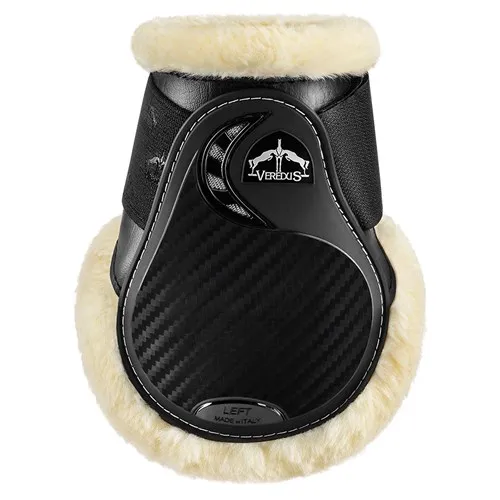
The Veredus Save The Sheep TRC Vento is designed specifically for hind-leg protection, and that intent is clear in its construction. For fit, the model comes in sized options with a Large listed for the item here; we recommend measuring the hind canon bone circumference and comparing it to the manufacturer’s guidance to confirm sizing. The hind-specific cut typically provides a shape that follows the gaskin and fetlock profile, reducing slippage during turns and landings. In terms of protective performance, the TRC Vento line offers a firm outer shell that disperses impact from rails and interference while keeping the overall profile streamlined so the boot does not catch on obstacles or the other leg.
Shock absorption and support are assisted by the internal padding. The “Save The Sheep” name points to a sheepskin or synthetic fleece interface designed to cushion and reduce friction. Many owners report that a natural or faux sheepskin lining increases comfort by smoothing pressure points, and it also helps wick moisture away from the skin if kept clean. Concerns about heat are common: while a fleece lining can retain warmth, properly manufactured designs use breathable outer structures or venting to allow air movement; correct fit and routine cleaning are also essential to avoid moisture build-up. Regarding material quality and longevity, independent retailer notes and product descriptions indicate high-quality materials and reliable construction, which translates to better resistance to repeated impacts and cleaning cycles—important for trainers running intensive sessions.
We should also address suspensory support. If you specifically need boots for suspensory protection, look for models that note additional reinforcement at the back of the leg and a close, anatomically considerate fit. The Veredus hind boots offer targeted coverage around the fetlock and pastern area, which helps on landing and in cases of overreach, but they are primarily designed for impact protection rather than as a medical support device. For horses with diagnosed suspensory issues, confirm with your veterinarian whether a support-style boot or bandage is more appropriate.
Who Should Buy Veredus Save the Sheep Trc Vento Hind Jump Boots?
This boot suits riders who need dependable hind-leg protection during jumping and more intensive training. Competitive riders preparing for showjumping will appreciate the hind-specific shaping and the blend of protection with a low profile that minimises catching. Trainers running frequent sessions will value the durability noted in retailer feedback, which suggests the boots hold up to repeated use. Owners who prioritise comfort—especially those who want a softer lining to reduce rubs—will find the fleece/sheepskin interface appealing, provided they clean and maintain it to prevent heat or moisture issues. Conversely, if your primary requirement is rehabilitative suspensory support or compression therapy, we would recommend consulting a professional and considering specialist support boots or bandages rather than a standard jump boot.
What Owners Are Saying
Online comments and retailer notes indicate two consistent themes: durability and comfort. Some users report the boots are well made, standing up to regular use without losing shape, while others single out the fleece lining as noticeably comfortable for the horse’s skin. There are questions in social channels about the value for money and the sheepskin element—these are reasonable given the mid-market pricing. A small number of reviews suggest verifying the correct size before purchase to avoid slippage or pressure points. Overall, the feedback we see points to a reliable hind boot that balances protection and cushioning when chosen to suit the horse’s measurements and workload.
Common Questions Before You Buy
How do we determine the correct size? For hind jump boots and other styles like Classic Equine Flexion, measure the circumference of the horse’s hind leg at the widest point of the cannon or where the boot will sit and compare those measurements to the manufacturer’s chart. That applies equally to bell boots: measure the pastern circumference and select a size that allows one or two fingers’ clearance without being loose.
Are Veredus jumping boots worth the money? For many owners they offer a solid balance between build quality and design suited to jumping work; the materials and construction commonly cited in reviews suggest good longevity, which can justify the cost when compared with cheaper, short-lived alternatives. Regarding the sheepskin, opinions vary: many riders appreciate the cushioning and reduced rubs, while others worry about heat. We find that a well-constructed fleece lining usually helps with comfort and, with regular cleaning and correct fit, does not necessarily trap harmful amounts of heat in the leg.
Which boots are best for suspensory support? If suspensory protection is the primary concern, choose a boot specifically marketed for support with reinforced posterior coverage and a snug, anatomical fit. Standard hind jump boots like the Veredus provide impact protection and some posterior coverage but are not a substitute for medical support boots or controlled compression when treating an injury. Finally, to keep boots performing, follow the manufacturer’s cleaning recommendations and check straps and seams regularly to avoid failure during work.
Our Verdict
The Veredus Save The Sheep TRC Vento hind jump boots are a considered choice for riders who want hind-specific protection with added cushioning from a fleece interface and a reputation for durable materials. They suit competitive and training environments where impact protection and comfort matter, provided you measure carefully for the correct size and maintain the lining to manage moisture and heat. If you need therapeutic suspensory support, consult a professional and consider specialist options instead. For a mid-market, well-constructed hind boot, these are worth considering.